Biomechanical Assessment & Treatment
A comprehensive, ground-up evaluation of your body's alignment from foot posture and arch structure to gait patterns, leg length, and spinal balance identifying the true root cause of your pain and dysfunction, delivered by a Certified Pedorthist and Doctor of Physical Therapy in Youngsville, NC.
Understanding Your Treatment
Finding the Real Reason You're in Pain — Starting From the Ground Up
Many patients arrive at Polaris Rehabilitation having been treated for back pain, hip pain, knee pain, or chronic lower extremity discomfort without anyone ever examining their feet. This is a significant oversight. The foot is the foundation of the entire musculoskeletal system, and problems in foot posture, arch structure, or alignment often create a chain reaction of dysfunction that travels upward through the ankles, knees, hips, pelvis, and spine.
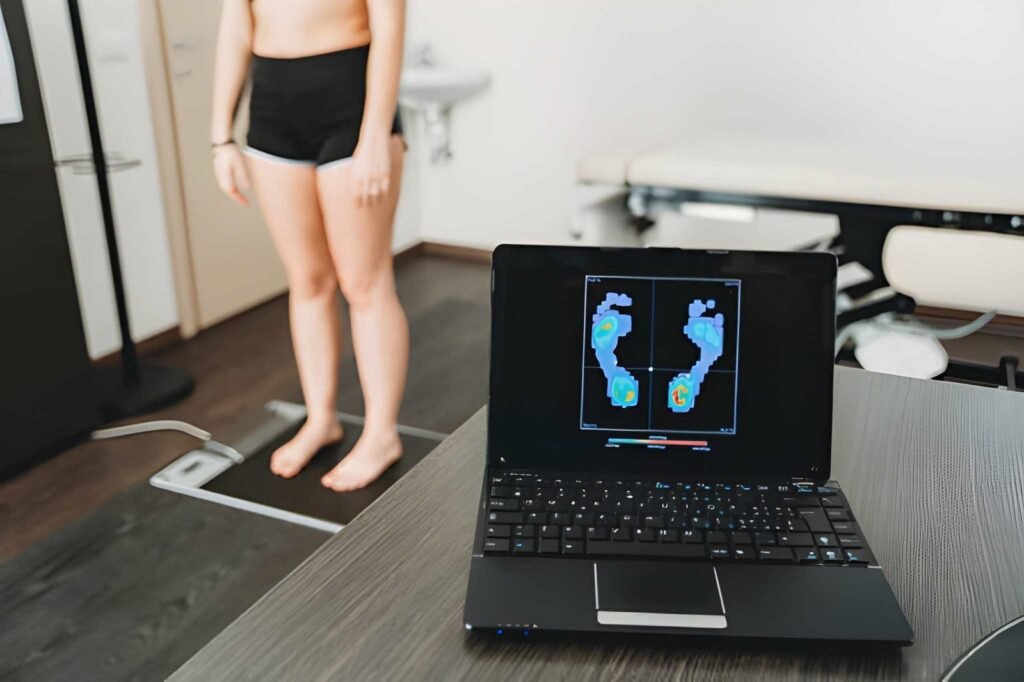
Biomechanical assessment at Polaris is a systematic, comprehensive evaluation of how your body moves and how your structure affects your function starting from the ground and working up. Our clinician examines the relationship between your foot mechanics, leg length, pelvic alignment, and spinal posture to identify the true source of your pain, not just the location where you feel it.
This approach is made uniquely comprehensive at Polaris because our physical therapist holds combined credentials in physical therapy, Certified Pedorthics (C.Ped), orthotics, and prosthetics allowing us to assess and treat both the musculoskeletal causes and the biomechanical solutions in a single, fully integrated plan. Treatment may include therapeutic exercise, custom foot inserts, sole or heel lifts, bracing, shoe modifications, or a combination of interventions tailored to your specific findings.
Whether you are dealing with unexplained chronic pain, a visible posture or gait asymmetry, a known leg length difference, or foot deformities affecting your daily life a thorough biomechanical assessment at Polaris is often the missing piece that brings lasting relief where other treatments have fallen short.
Is Biomechanical Assessment Right for You?
If You Have Unexplained Pain or a Known Alignment Problem This Is Where to Start
Biomechanical assessment is appropriate for any patient whose pain or dysfunction has a structural or alignment component whether that has been formally diagnosed or is simply suspected based on symptoms.
Patients with Flat Feet or High Arches
Flat feet and high arches alter the way forces travel through the entire lower extremity and spine. A biomechanical assessment identifies how your foot structure is contributing to pain in your feet, ankles, knees, hips, or back and determines the most effective corrective intervention.
Patients with Leg Length Inequality
Even small leg length differences can cause chronic low back pain, hip asymmetry, pelvic tilt, and gait abnormalities. Many patients have been managing these symptoms for years without ever identifying leg length inequality as the underlying cause a biomechanical assessment resolves this.
Patients with Gait Abnormalities
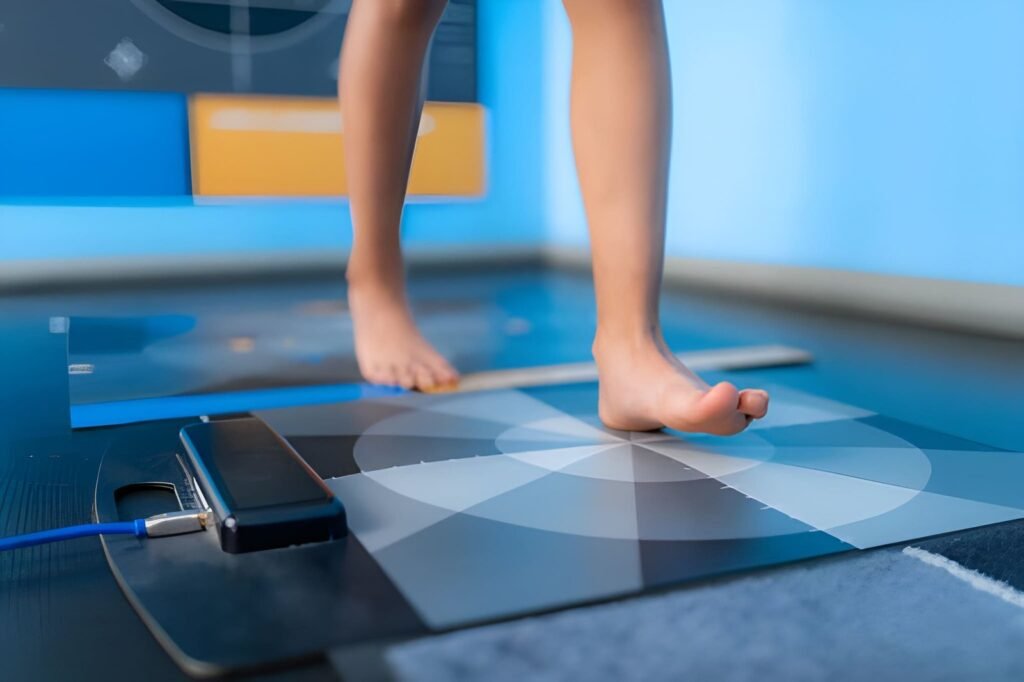
Abnormal gait patterns including toe walking, excessive pronation, supination, or asymmetric stride place abnormal loads on joints and soft tissues throughout the body. Gait analysis is a core component of biomechanical assessment at Polaris.
Patients with Chronic Back, Hip, or Knee Pain
Patients who have tried multiple treatments for persistent back, hip, or knee pain without lasting relief often find that a biomechanical assessment identifies a structural contributor that has been consistently overlooked in previous treatment approaches.
Patients with Postural Asymmetry
Visible postural imbalances uneven shoulders, a tilted pelvis, asymmetric stance often have a biomechanical origin in the feet or lower extremity. Identifying and correcting this foundation frequently produces significant postural improvement.
Scoliosis Patients
For scoliosis patients, biomechanical assessment is a crucial component of holistic care identifying leg length differences, foot imbalances, and gait asymmetries that contribute to spinal loading and may be worsening the curve over time.
Your Biomechanical Assessment Experience at Polaris
From Comprehensive Evaluation to Targeted, Lasting Treatment
Biomechanical assessment and treatment at Polaris is a structured, clinically rigorous process far more comprehensive than a standard PT intake. Here is what to expect from your first appointment through to your personalized treatment plan.
Comprehensive History & Symptom Review
Your assessment begins with a thorough review of your medical history, current symptoms, previous treatments, footwear habits, and daily activity demands. Understanding the full picture of your pain history is essential to interpreting the physical findings that follow. We pay particular attention to the timeline, location, and behaviour of your symptoms — including what makes them better or worse.
Full Biomechanical Evaluation Ground Up
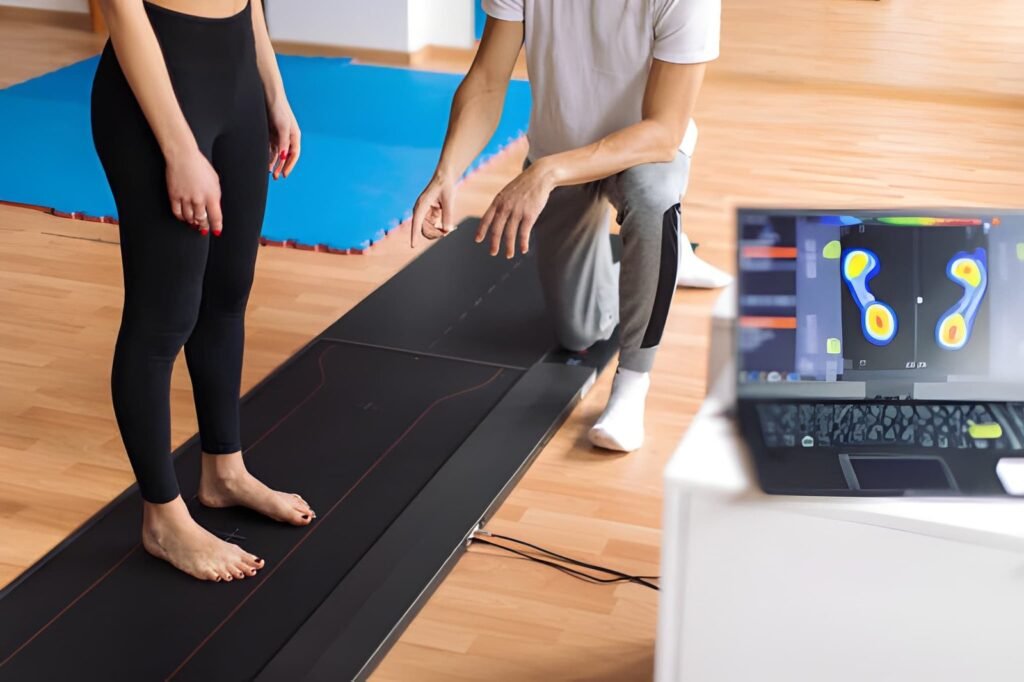
The physical assessment is a structured, head-to-toe evaluation starting at the feet. We examine foot posture and arch structure in both weight-bearing and non-weight-bearing positions, assess leg length (both true and functional), evaluate pelvic level and spinal alignment, analyze your gait pattern, and assess range of motion, joint mobility, and muscle flexibility throughout the lower extremity and spine. Footwear and existing orthotic devices are also evaluated.
Findings Review & Treatment Planning
Following the assessment, your clinician reviews all findings with you — explaining the biomechanical relationships identified and how they are contributing to your pain or dysfunction. A comprehensive treatment plan is developed, which may include custom foot orthotics, sole or heel lifts, ankle/foot bracing, shoe modifications, therapeutic exercises, manual therapy, and postural correction strategies — all designed as an integrated, coordinated intervention.
Treatment, Device Fitting & Follow-Up
Treatment is initiated based on your individualized plan. Where custom devices are prescribed — including foot inserts, lifts, or braces — casting or scanning, fabrication, and fitting are carried out at Polaris. Follow-up appointments monitor your response to treatment, refine devices as needed, progress your exercise program, and ensure that your biomechanical correction is achieving the intended clinical outcomes.
What Biomechanical Assessment & Treatment Can Do for You
6 Key Benefits of a Comprehensive Ground-Up Biomechanical Approach
A thorough biomechanical assessment and properly targeted treatment delivers benefits that extend well beyond the original site of pain because it addresses the structural foundation of your entire musculoskeletal system.
Identifies the True Root Cause of Pain
Rather than treating symptoms in isolation, biomechanical assessment traces pain back to its structural origin often revealing foot, leg length, or gait factors that have been driving the problem for years.
Reduces Chronic Pain Throughout the Body
Correcting the biomechanical source of dysfunction frequently resolves chronic pain in the back, hips, knees, and feet often achieving results where years of symptom-focused treatment have not.
Improves Posture & Spinal Alignment
Addressing foot mechanics and leg length differences corrects the foundational imbalances that drive postural asymmetry producing meaningful improvements in spinal alignment and overall posture.
Enhances Gait Efficiency & Comfort
Corrected biomechanics reduce abnormal joint loading and muscle strain during walking making movement more efficient, comfortable, and sustainable over the long term.
Prevents Future Injury & Degeneration
Unaddressed biomechanical problems accelerate joint wear and increase injury risk over time. Early identification and correction reduces the cumulative load on vulnerable structures protecting your joints for the long term.
Customized Devices for Lasting Correction
Custom foot inserts, lifts, braces, and shoe modifications prescribed following a thorough biomechanical assessment are significantly more effective than off-the-shelf solutions because they are designed specifically for your structure and function.
Why Symptom-Only Treatment Often Fails
Treating the back, hip, or knee in isolation addresses where pain is felt not necessarily where it starts. When the root cause lies in foot mechanics or leg length, symptom-focused treatment provides only temporary relief. A biomechanical assessment traces the connection back to its source, so treatment addresses the actual driver of dysfunction.
Your Pain Has a Cause. Let's Find It.
Book Your Biomechanical Assessment at Polaris Rehabilitation
Chronic pain rarely resolves on its own when the structural cause remains unaddressed. A comprehensive biomechanical assessment at Polaris gives you the answers you need and a targeted, integrated treatment plan that addresses the real reason you are in pain. Take the first step toward lasting relief today.
Serving Youngsville, Wake Forest, Franklinton & greater Franklin County, NC.