
Ankle & Foot Bracing — Custom & Pre-Fabricated
Clinically prescribed and precisely fitted ankle-foot orthoses (AFOs), lower leg bracing, and shoe modifications — designed to restore stability, support function, and protect healing structures, prescribed by a Certified Pedorthist and Doctor of Physical Therapy in Youngsville, NC.
Understanding Your Treatment
The Right Brace — Properly Fitted — Makes All the Difference
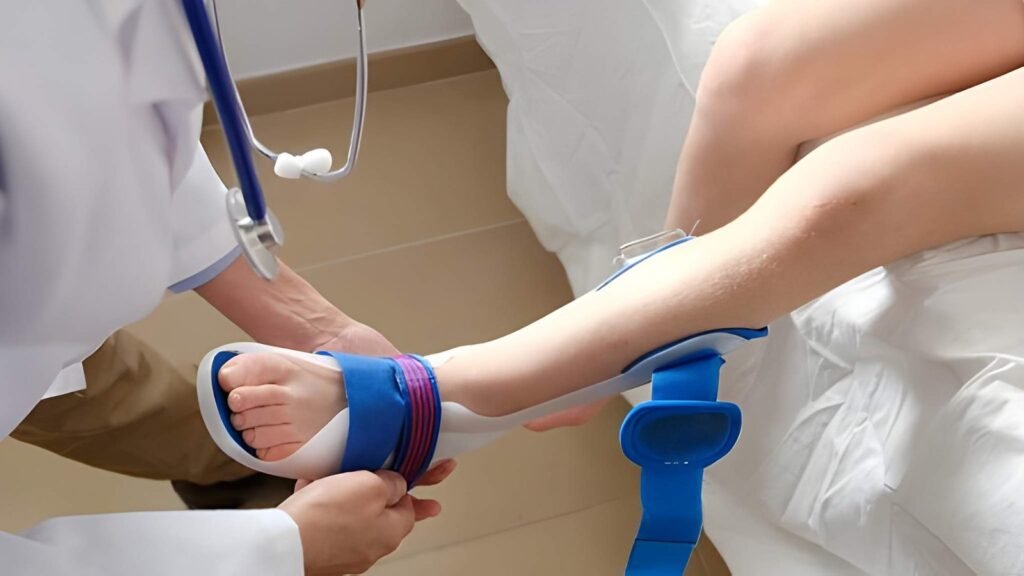
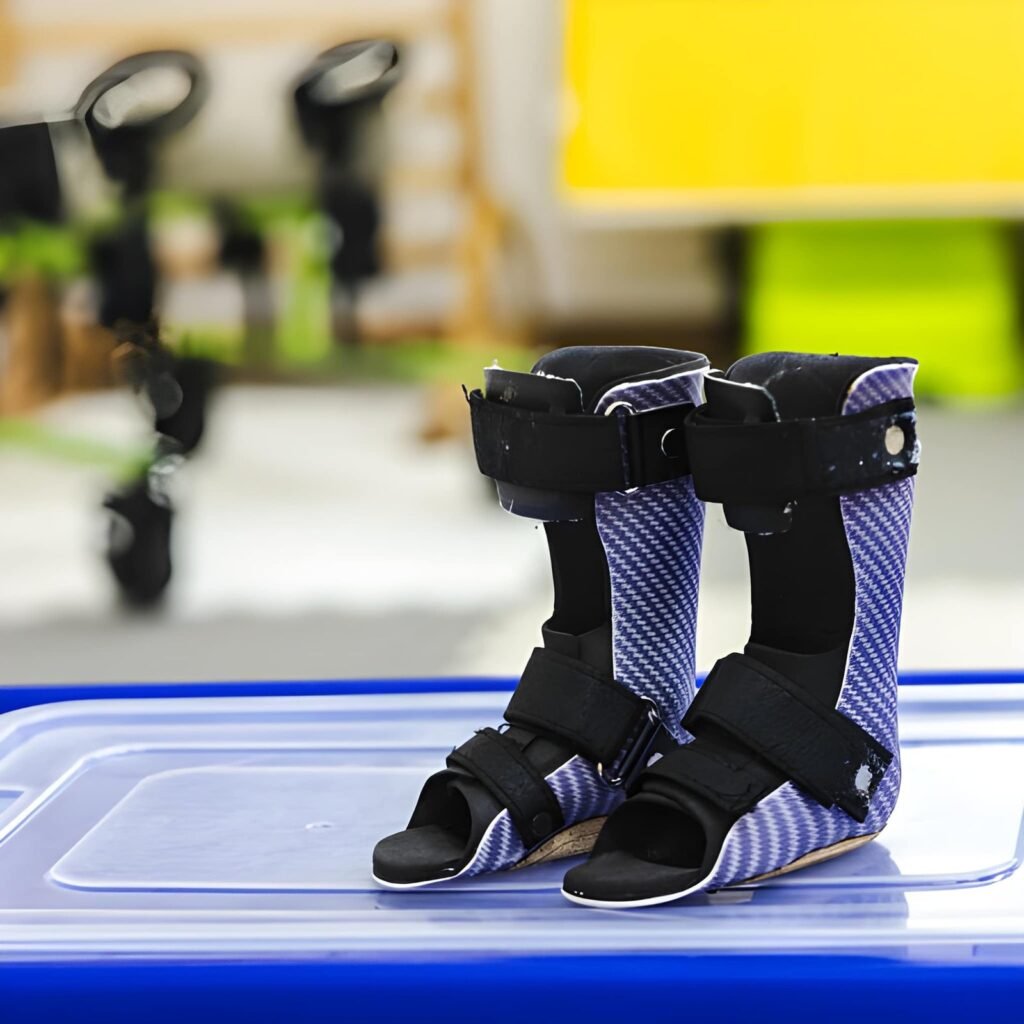
Ankle and foot bracing encompasses a range of orthotic devices designed to support, protect, correct, or control the foot and ankle complex. From simple ankle stabilizers to custom-fabricated ankle-foot orthoses (AFOs) that control the entire lower leg and foot, bracing plays a critical role in managing neurological conditions, post-surgical recovery, chronic instability, and a wide range of structural foot and ankle disorders.
At Polaris Rehabilitation, ankle and foot bracing is never prescribed off the shelf without proper assessment. Every brace recommendation whether custom or pre-fabricated is based on a thorough clinical evaluation of your diagnosis, functional needs, gait pattern, and footwear. Our clinician holds combined credentials as a Certified Pedorthist (C.Ped) and Doctor of Physical Therapy, with additional certification in orthotics from Northwestern University ensuring that every device prescribed is clinically appropriate, correctly fitted, and functionally effective.
We offer both custom-fabricated and pre-fabricated bracing options. Custom ankle-foot orthoses (AFOs) are fabricated from a cast or scan of your leg in the corrected position providing a precise fit and exact functional control. Pre-fabricated devices are selected and fitted from clinically validated product lines when they provide an appropriate level of support for the patient's specific diagnosis and functional demands.
Shoe modifications are often prescribed alongside bracing to ensure proper fit and function including rocker bottom soles, heel and sole lifts, external wedging, and toe fillers. All modifications and bracing are integrated into a broader treatment plan that may include therapeutic exercise, gait training, and physical therapy rehabilitation.
Is Ankle & Foot Bracing Right for You?
Ankle & Foot Bracing Supports Patients Across a Wide Range of Diagnoses & Functional Needs
Bracing is appropriate for patients who need external support, correction, or protection for the foot and ankle — whether due to neurological weakness, structural instability, post-surgical recovery, or chronic deformity. The type and level of bracing is always matched precisely to the patient's diagnosis and functional goals.
Patients with Neurological Conditions
Neurological conditions such as stroke, multiple sclerosis, Parkinson's disease, and peripheral neuropathy often cause foot drop, ankle weakness, or spastic gait patterns. An ankle-foot orthosis (AFO) provides the external support needed to restore safer, more functional walking.
Patients with Foot Drop
Foot drop — the inability to lift the front of the foot during walking — is one of the most common indications for ankle-foot bracing. A properly fitted AFO supports the foot in a functional position, preventing toe drag and significantly improving gait safety and efficiency.
Patients with Ankle Instability
Chronic ankle instability — often following repeated sprains or ligament laxity — causes pain, functional limitations, and ongoing injury risk. Bracing provides the external stability needed to support daily activity while rehabilitation exercises rebuild dynamic ankle control.
Post-Surgical Patients
In most cases, bracing is prescribed by the surgeons. We coordinate with them and may recommend a step up or step down on bracing needs as appropriate according to the stage of healing and rate of progress in rehabilitation.
Patients with Structural Foot Deformities
Structural conditions including severe flat feet, high arches, equinus deformity, and toe deformities may require bracing to correct or accommodate the deformity — improving gait, reducing pain, and protecting joints from progressive damage.
Older Adults with Gait & Stability Issues
Age-related decline in ankle strength, proprioception, and foot structure can significantly compromise gait stability and increase fall risk. Lightweight, clinically appropriate bracing improves walking safety, confidence, and independence in older adults.
Your Ankle & Foot Bracing Experience at Polaris
From Clinical Evaluation to a Correctly Fitted Device That Actually Works
Receiving the right ankle or foot brace at Polaris is a structured, clinically supervised process — beginning with a thorough evaluation and ending with a device that fits precisely, functions correctly, and supports your specific rehabilitation goals.
Clinical Evaluation & Diagnosis Review
Your process begins with a comprehensive clinical evaluation — reviewing your diagnosis, medical history, current medications, prior bracing experience, and functional goals. We assess your gait, ankle and foot range of motion, muscle strength, sensation, and skin integrity. Existing footwear is reviewed to ensure compatibility with your prescribed device. For neurological patients, spasticity patterns and tone are carefully assessed as these significantly influence brace design.
Device Selection & Prescription
Based on your evaluation, a clinical decision is made between custom fabrication and a pre-fabricated device. For custom AFOs, the specific design is determined — including material (polypropylene, carbon fibre, or articulated designs), trim lines, ankle positioning, footplate design, and any special features such as dorsiflexion assist mechanisms or accommodations for spasticity. For pre-fabricated devices, the appropriate design and size are selected from validated clinical product lines. All shoe modification needs are identified at this stage.
Casting & Fabrication, Fitting
Custom devices require a casting appointment to capture the precise shape of your lower leg and foot in the corrected therapeutic position. Once fabricated, your device is fitted and assessed in the clinic — checking alignment, skin pressure points, functional performance during walking, and compatibility with your footwear. Pre-fabricated devices are fitted, adjusted, and assessed at the same appointment. Any immediate modifications are made before you leave.
Gait Training, Follow-Up & Review
New bracing — particularly custom AFOs — requires a period of adjustment and gait training. Your physical therapist guides you through proper donning and doffing, skin monitoring, wearing schedule, and walking technique with your new device. A follow-up appointment reviews your response, addresses any skin or comfort issues, and makes any refinements needed to optimise function. Ongoing review ensures your device continues to meet your clinical needs as your condition evolves.
What the Right Brace Can Do for You
6 Key Benefits of Clinically Prescribed Ankle & Foot Bracing
A correctly prescribed and properly fitted ankle or foot brace — selected following a thorough clinical evaluation — delivers meaningful, functional benefits that significantly improve quality of life, safety, and rehabilitation outcomes.
Restored Functional Gait
The right brace restores a safer, more efficient walking pattern — eliminating toe drag, reducing compensatory movement, and allowing patients to walk with greater confidence and less effort.
Joint & Soft Tissue Protection
Bracing protects unstable or surgically repaired ankle and foot structures from further injury — providing controlled support during the healing and rehabilitation process.
Reduced Pain & Fatigue
Properly supporting weak or unstable ankle and foot structures significantly reduces the pain and fatigue associated with daily walking — making movement more comfortable and sustainable.
Improved Balance & Fall Prevention
Ankle and foot bracing improves proprioceptive feedback and mechanical stability — reducing fall risk and improving walking confidence, particularly in older adults and neurological patients.
Enhanced Activity & Independence
With appropriate bracing support, patients regain the ability to participate in daily activities, work tasks, and recreational pursuits that foot and ankle weakness or instability had previously limited.
Supports Active Rehabilitation
Bracing enables patients to safely participate in the therapeutic exercises and gait training needed for rehabilitation — bridging the gap between current functional limitations and the strength and stability goals of treatment.
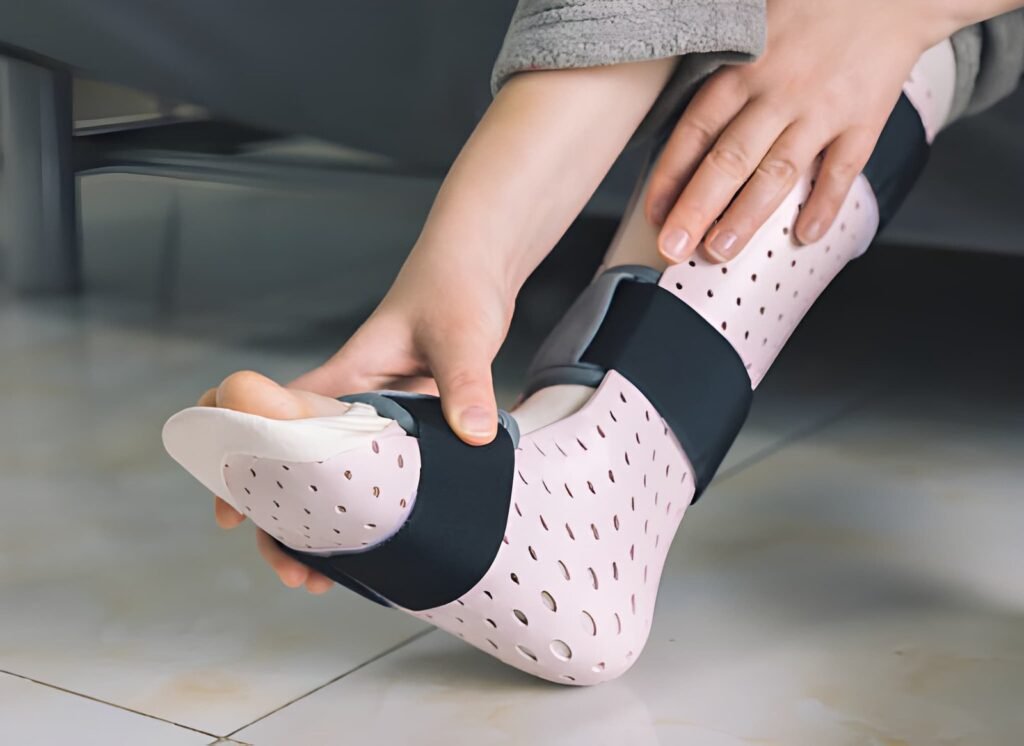
From Toe Drag to a Clear, Confident Step
For patients with foot drop, the difference an AFO makes is visible from the very first walk. By holding the foot in a functional position through the swing phase of gait, a properly fitted brace eliminates toe drag, reduces trip and fall risk, and restores the walking rhythm that weakness had taken away — often in a single fitting appointment.
The Right Support Changes Everything.
Get Ankle & Foot Bracing That Is Fitted for Your Body & Your Goals
The difference between a brace that helps and one that sits in a drawer is clinical prescription and proper fitting. At Polaris Rehabilitation, every device is selected or fabricated based on a thorough evaluation — ensuring you receive the right brace, correctly fitted, with the gait training and follow-up care needed to make it genuinely effective.
Serving Youngsville, Wake Forest, Franklinton & greater Franklin County, NC.